

Dáil Éireann
An nuashonrú is déanaí ar an Tuarascáil Oifigiúil:
Déar, 1 DFómh 2026: foilsíodh 40 topaic, ina n-áirítear 91 cainteoir agus 0 vóta den teach.
Seanad Éireann
An nuashonrú is déanaí ar an Tuarascáil Oifigiúil:
Déar, 1 DFómh 2026: foilsíodh 11 topaic, ina n-áirítear 25 cainteoir agus 0 vóta den teach.
Coistí
An nuashonrú is déanaí ar an Tuarascáil Oifigiúil:
Cruinniú den Committee Of Public Accounts an Déar, 24 MFómh 2026.
Ceisteanna Parlaiminte
An nuashonrú is déanaí ar an Tuarascáil Oifigiúil:
Déar, 1 DFómh 2026: Freagraíodh 131 Ceist Pharlaiminte.
Cuardaigh Díospóireachtaí
An vótáil is déanaí
Industrial Development (Amendment) and Miscellaneous Provisions Bill 2026: Report Stage
Amendment put:
[30 September 2026]
- Tá (65 vóta caite)
- Níl (78 vóta caite)
- Staon (0)
About the Official Report
- When are debates published?
-
Dáil debates are published incrementally throughout a sitting day. All proceedings before 7 p.m. are published before midnight and the remainder are published the following day.
Seanad debates are published incrementally throughout a sitting day and the remaining proceedings published the following day.
The Official Report of each committee meeting is generally published within two or three working days of a sitting but this can depend on the number and length of committee meetings in any given week.
Replies to questions tabled by Members on a particular day for written response by Ministers are generally published within two working days.
- What are parliamentary debates?
-
The "Official Report" of parliamentary debates is the report of Dáil, Seanad and committees proceedings.
It is a principle of parliamentary democracy that proceedings should be held in public and that a record should be published.
The Official Report is the authoritative record of public proceedings of the Houses of the Oireachtas and parliamentary committees. It includes oral and written parliamentary questions. Standing Orders of the Houses of the Oireachtas state that a debate for each sitting should be published.
On occasion, special editions of the Official Report are published to mark an event or occasion, such as the centenary in 2019 of the first sitting of Dáil Éireann on 21 January 1919 or the address by President John F. Kennedy on 28 June 1963.
- Where can I find the Official Report?
-
The Official Report from 1919 to the present day can be found in our repository of parliamentary debates. Debate searches may also be refined by House, such as Dáil and Seanad, and by committee.
There is also a searchable record of divisions, or votes, taken in the Houses or committees. Parliamentary questions may also be searched or explored visually.
Printed bound volumes of Dáil and Seanad debates are also produced and may be found in copyright libraries.
- Is the Official Report a verbatim account?
-
The Official Report is a complete and impartial report of the contributions of all speakers; it is substantially but not strictly verbatim because it is accepted that the spoken word must be lightly edited for a readership rather than a listenership.
Parliamentary reporting often follows the guideline from Erskine May, which defines what the debates of parliament are and are not:
The Official Report is a full report in the first person, of all speakers alike, a full report being defined as one which, though not strictly verbatim, is substantially a verbatim report, with repetitions and redundancies omitted and with obvious mistakes corrected, but which on the other hand leaves out nothing that adds to the meaning of the speech or illustrates the argument.
- What is the role of the Debates Office?
-
The Debates Office has responsibility for producing the Official Report.
The Debates Office is led by the Chief Reporter and Editor of Debates and a team of deputy editors, assistant editors, parliamentary reporters and administrative staff. Parliamentary reporters are recruited by the Public Appointments Service in open competitions. Many of our staff hold postgraduate qualifications, including to PhD level.
The office recruits two panels, one of which is English only and one of which is bilingual – Gaeilge and English – to ensure expertise in Irish and English.
How is the Official Report produced?
From the founding of the State, reporters used shorthand and dictated the report to a team of typists, after which the report was sent to external printers for publication. This process of reporting changed in 1993 and proceedings are now recorded digitally and produced and published by Debates Office staff on the Oireachtas website.
On a typical day, one team of reporters is assigned to the Dáil and another to the Seanad and committees. Members of each team will take turns to spend ten minutes in the Chamber and keep a log of speakers and business transacted. They will then return to their workstations and, using the digital sound file, produce the report of those ten minutes. The work is then edited, collated and published by the editorial team.
Take a deeper dive by looking at a day in the life of the Debates Office.
- Citing the Official Report
-
Historical citation
Historical debates were originally published in physical daily books of debate and bound volumes, which had column numbers used for citation purposes. Using the Harvard style of referencing, for example, the Official Report may be cited as follows for a debate from 2005:
McGrath, Paul, Dáil Debates, Vol. 600, No. 5, cols. 1602-1604, 20 April 2005
(Speaker, Debate volume and book No., Column Nos., Date of speech)
Column references
Column references in digitised and online versions of the Official Report were retained until 2012, when the practice of including column references online ceased. Column or page numbers are still available for citation purposes in bound volumes on publication or in the electronic PDF version of daily debates published online, which are usually available on the table of contents page of each daily debate. If the PDF is unavailable for historical debates, it may be possible to retrieve column reference data on our archived site of Oireachtas debates.
Citation of the online Official Report
The Official Report is published online in the first instance, usually on the same sitting day or soon afterwards. If no column or page reference is available, the debate may be referenced in line with style for an online resource. Using the Harvard style of referencing, for example, the Official Report may be cited as follows for a debate from 2024:
McDonald, M.L., (2024), Dáil Debates (Unrevised), [online], 21 February 2024, Available at: https://www.oireachtas.ie/en/debates/debate/dail/2024-02-21/speech/65/ (accessed 22 February 2024)(Surname(s), Initial(s). (Year of publication), [House or Committee type] Debates (Unrevised), [online], date. Available at: website address (accessed date)
Open data
The redevelopment of the Oireachtas website involved a thorough review of the data formats being published on our website with a view to aligning to international standards. All debates data have been aligned to the Akoma Ntoso international XML standard for parliamentary data, ensuring users of our open data APIs can work with valid, structured data.
Every debate is published in an XML format, such as this example, with a uniform taxonomy, as the basis for publication to the web and in hard copy. With our open data APIs, users can access datasets relating to debates, divisions (votes) and parliamentary questions, among other resources, in a machine-readable format.
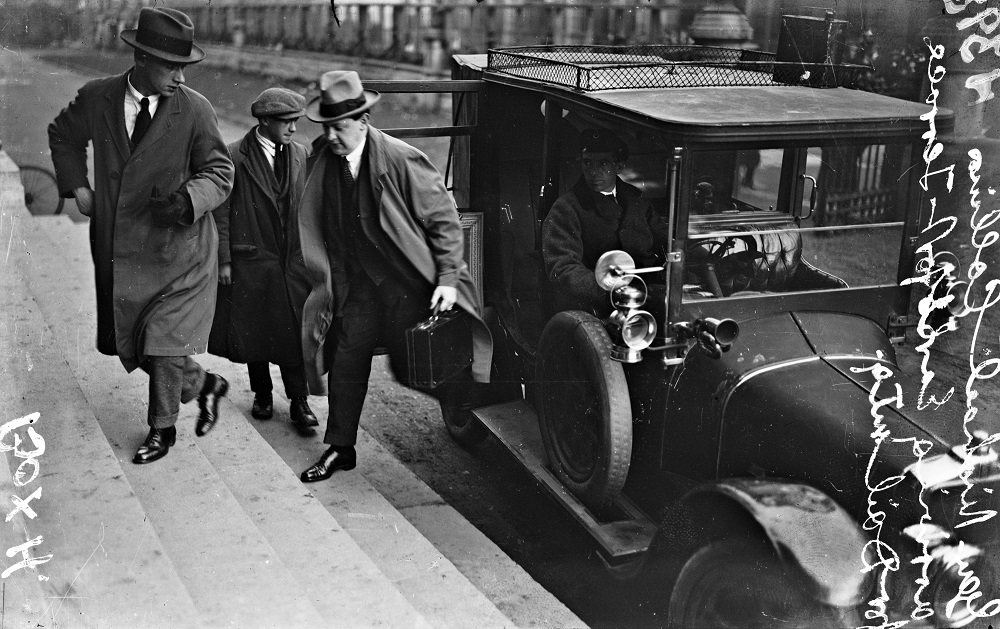
Micheál Ó Coileáin ag teacht chuig Díospóireacht an Chonartha | Le caoinchead Leabharlann Náisiúnta na hÉireann
Scrúdaigh Díospóireachtaí uile an Chonartha
I mí na Nollag 1921 agus mí Eanáir 1922, rinne Dáil Éireann díospóireacht ar an gConradh Angla-Éireannach.
Scrúdaigh na díospóireachtaí lenár dtráchtaireacht ghairid ar imeachtaí gach lá, lena n-áirítear naisc chuig Tuarascáil Oifigiúil gach díospóireachta. Foghlaim tuilleadh faoi conas a d’eagraigh oifigigh na Dála na díospóireachtaí cinniúnacha seo agus faoin gcaoi ar tuairiscíodh orthu.
Stair
Tuairisciú parlaiminte thar na blianta
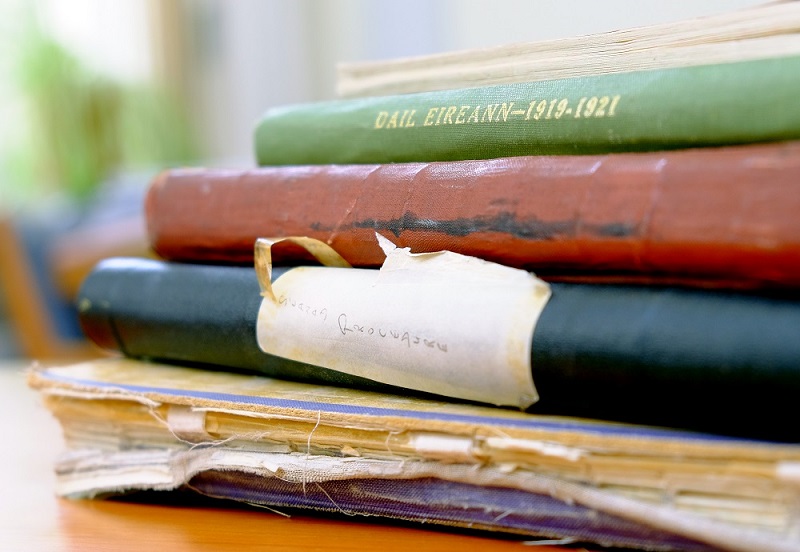
D’fhorbair Oifig na nDíospóireachtaí cnuasach scéalta faoi stair an tuairiscithe pharlaiminte in Éirinn mar chuid de Dáil100, ár gcomóradh ar chéad bliain Dháil Éireann.
Léigh faoi thraidisiún Hansard, faoi cad a dhéanann tuairisceoirí parlaiminte agus faoi cad gur féidir leis an Tuarascáil Oifigiúil a rá linn faoin am a chuaigh thart.
Díospóireachtaí suntasacha
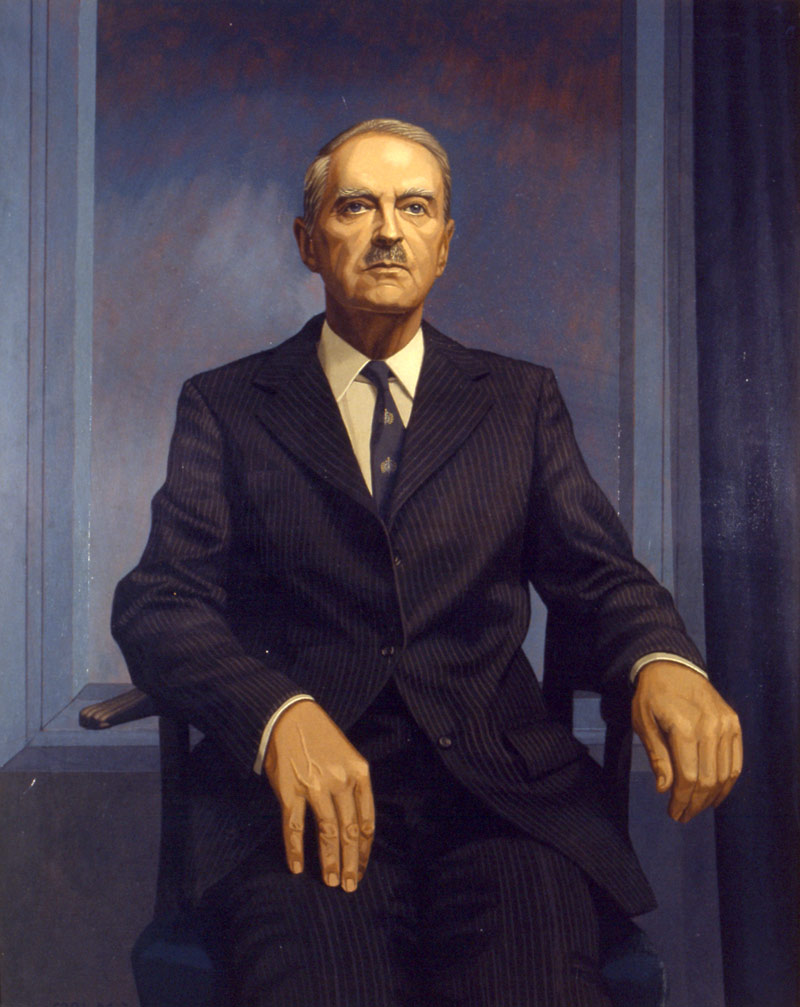
Géarchéim na nArm, 7 Bealtaine 1970
“I received information that an attempt had been made involving a number of members of the Government illegally to import a large consignment of arms from the continent for use by an illegal organisation.”
—Liam Cosgrave
Díospóireachtaí an tSeanaid thar na blianta
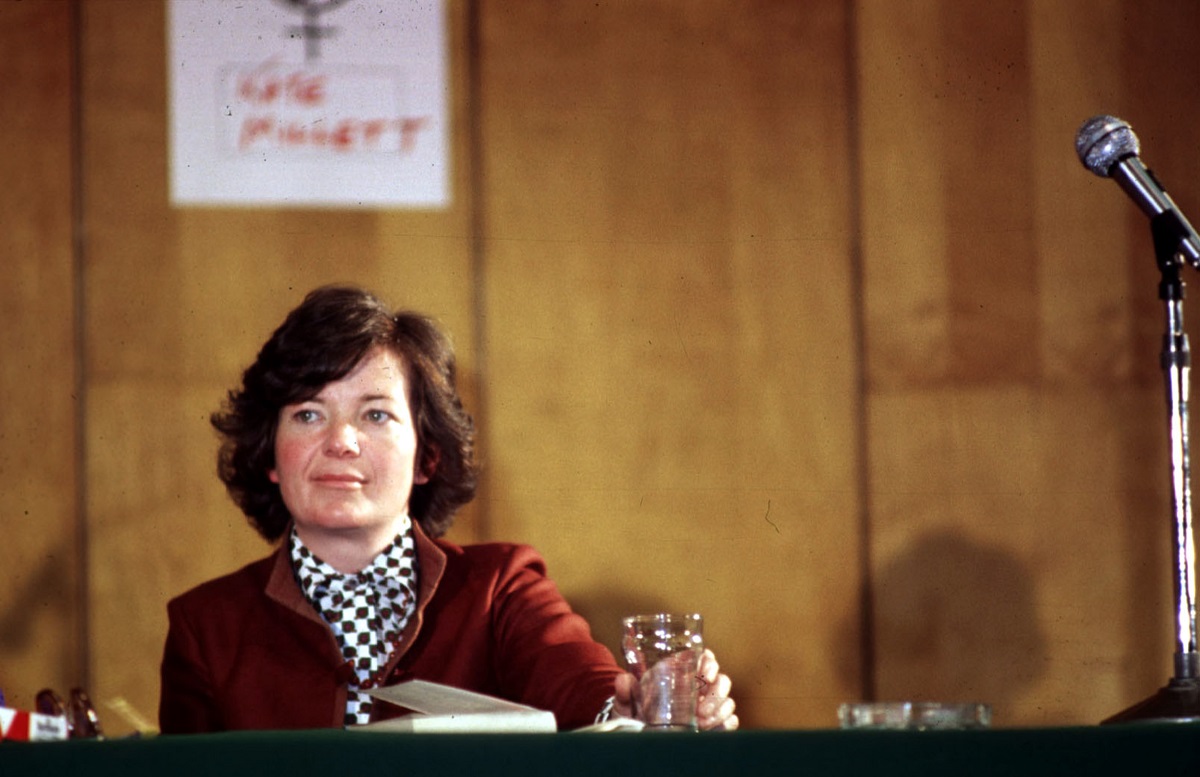
An Bille um Bheartú Muiríne 1973
“Déanaim an achainí dheireanach seo: bronnaimis Seanadóirí an dlínse orainn féin díospóireacht a dhéanamh ar a bhfuil díospóireacht déanta ag gach fóram eile sa tír air. Ná déanaimid neamart sa cheist.”
Nuair a bhíonn tionchar tromchúiseach ag aithrisí
Má cheapann tú go raibh tionchar tromchúiseach ag caint sa Dáil, sa Seanad nó i gCoiste Oireachtais ort, tá próiseas ann chun dul i ngleic leis sin.
Téarmaí na Dála agus an tSeanaid
Cruinníodh an 33ú Dáil le chéile den chéad uair ar an 20 Feabhra 2020. Tháinig an 26ú Seanad le chéile den chéad uair ar an 29 Meitheamh 2020.
Faigh dátaí tosaigh agus críochnaithe théarmaí Dháil Éireann agus Sheanad Éireann ó bunaíodh an Stát.
Uimhreacha colúin i ndíospóireachtaí stairiúla
Chun teacht ar thagairt díospóireachta ina bhfuil uimhir cholúin, téigh chuig cartlann díospóireachtaí an Oireachtais. Beidh áis chuardaigh ar an suíomh gréasáin seo go luath.